
Presentasi di Depan Ratusan Strangers di Mutual Friends? | Bella Utami
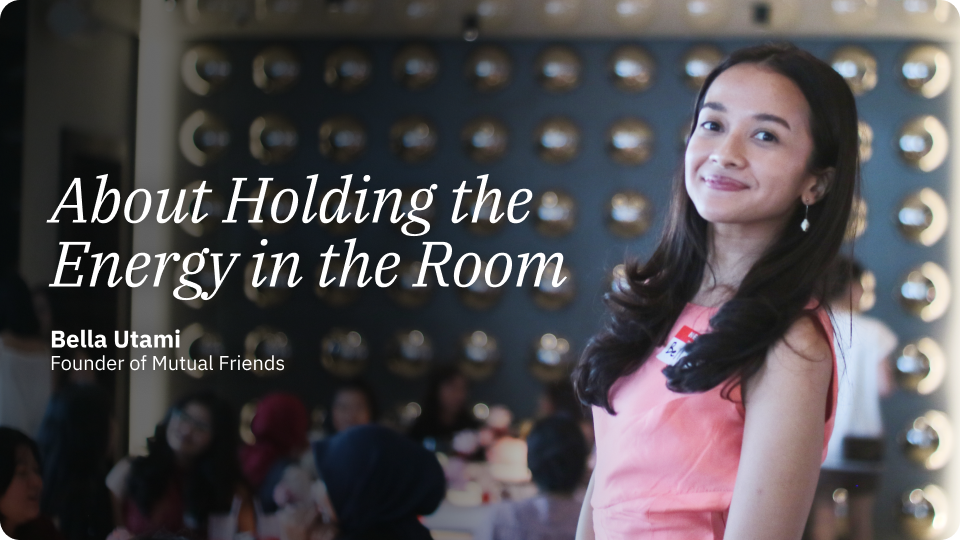
Bagi Bella Utami, membangun Mutual Friends bukan cuma soal mengumpulkan orang di satu ruangan—tapi soal menciptakan pengalaman yang membuat orang asing merasa diterima. Sebagai Founder of Mutual Friends, ia terbiasa berbicara di depan ratusan strangers tanpa slide, hanya mengandalkan kepekaan membaca energi ruangan. Dalam obrolan bersama T&DON, Bella berbagi soal menjaga flow presentasi tanpa visual, membaca kapan energi audiens mulai turun, dan kenapa mendengarkan adalah pelajaran komunikasi paling berharga yang ia dapat dari semua pengalamannya.
“To us, the most important thing is the User Experience. The venue, the fancy food, the decor and the additional freebies are nice BUT how people FEEL when they come to our event is number one.”
T& (T&DON): Gimana awalnya bisa nyemplung bikin Mutual Friends?
BU (Bella Utami): It all started because I realized the people around me (and myself) udah mulai kesulitan, nih, ketemu orang baru di luar circle kita semenjak kerja.
Especially with the intention of just meeting new people to make new friends! Bukan untuk dating atau networking.
Combined that with my love of hosting and meeting new people, singkat cerita; lahirlah Mutual Friends. :D
T&: Pas pertama kali ngomong di depan ratusan strangers, tantangan apa yang paling berasa?
BU: Tantangan terbesar adalah saat kita, sebagai host, harus approach temen-temen yang mungkin baru pertama kali ikut event with strangers atau a bit shy or feel awkward.
Di situ, kita harus lebih proactive but also make sure nggak pushy juga supaya temen-temen bisa feel comfortable to talk to us and open up. :)
T&: Tanpa slide visual, gimana cara jaga flow presentasi biar tetep jelas dan engaging?
BU: Always keep in mind: The objective!
Main point-nya apa dan story atau bridge yang mau disampaikan apa.
Be aware of time juga dan attention audience.
T&: Biasanya gimana cara baca energi audiens pas suasana mulai turun?
BU: Simplest way to tell is just see if your audience are already looking down on their phones or not LOL.
Because to me that means they’re already distracted and they’re not focused.
Saat seperti ini biasanya trick aku itu coba lempar balik ke audiens, minta mereka tepuk tangan, atau tanya pertanyaan ke mereka jadi komunikasinya menjadi dua arah.
T&: Menurut kamu, apa yang paling sering orang salah paham soal “ngumpulin orang”?
BU: To us, the most important thing is the User Experience.
The venue, the fancy food, the decor and the additional freebies are nice BUT how people FEEL when they come to our event is number one.
Do they feel welcomed?
Do they feel seen?
Or do they feel awkward & intimidated?
User Experience itu jadi our top priority when we craft our events.
T&: Apa perbedaan paling tricky antara jadi speaker dan jadi host yang harus “hold the room”?
BU: Host yang bisa hold the room itu harus attentive dan aware sama segala little details. Nggak cuman flow atau materi acara, but also the overall vibe!
Are people having fun? Are they eating? Are the drinks served? Do people know where to go/what to do?
Every little detail matters, and it’s our responsibility to be aware of it all :)
T&: Dari semua pengalaman ini, apa pelajaran komunikasi yang paling kerasa buat kamu?
BU: Listen! Everyone has a story to tell and everyone you encounter has something to teach you.
Keep an open mind and listen to understand not to answer ;).
3 practical tips we can learn from Bella’s experience.
1. Focus on the people experience.
Orang mungkin lupa dekor atau freebies, tapi mereka inget perasaan pas dateng. In this case, comfort, warmth, dan rasa “welcome” jadi jauh lebih penting dari sekadar rundown yang rapi.
2. If energy drops, make it two-way.
Kalau audiens mulai nggak fokus, jangan tambah ngomong. Ajak mereka respon balik, tepuk tangan, atau jawab pertanyaan simple biar semangat lagi.
3. Hold the room.
Jadi host bukan cuma deliver materi. Tugasnya juga aware sama vibe ruangan, apakah orang bingung, awkward, nyaman, atau engaged.
