
Styling No Na for the Gold House Gala? | Allysha Nila
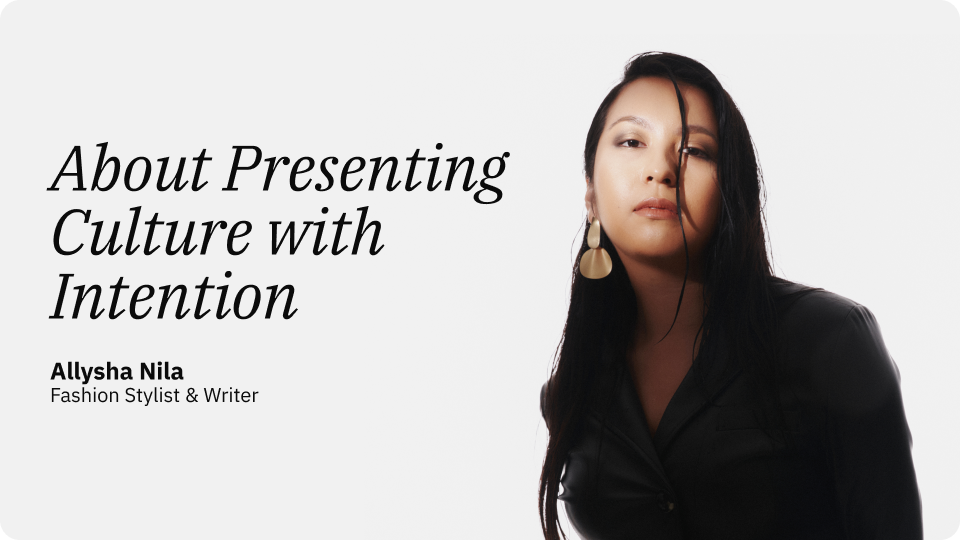
Allysha Nila is a Fashion Stylist & Writer who believes an outfit can say as much as any speech. Here’s Allysha on styling No Na for the Gold House Gala, from folding Sundanese batik and Mamuli-inspired jewelry into one look to using fashion as a quiet form of cultural diplomacy.
“We’re often taught to see traditional culture as something strictly of the past, but I believe these worlds can coexist. Through the styling, I wanted to show that Indonesian identity isn’t singular. It’s layered, diverse, and made up of many different stories. That’s why I incorporated elements from different regions, from Sundanese batik to Mamuli-inspired jewelry. Not just to represent Indonesia, but to highlight the richness and multiplicity within it.”
T& (T&DON): Because they were appearing on an international stage, did you approach the styling more as fashion or as a way of presenting identity?
AN (Allysha Nila): For me, it was definitely about identity, but not a single identity.
The girls each have distinct personalities, so visually it was important to preserve that individuality while still creating a cohesive group image.
I was also interested in showing how cultural references can exist in conversation with contemporary fashion.
The goal wasn’t simply to showcase culture, but to demonstrate how history, tradition, and modern aesthetics can interact naturally.
T&: Styling shapes perception before someone even speaks. How much do you think fashion communicates personality and narrative non-verbally?
AN: A huge amount. We process visual information almost instantly, often before we’re consciously aware of it.
Clothing becomes one of the first signals people receive about who we are.
Especially today, when people are increasingly intentional about how they present themselves, fashion plays a significant role in shaping perception.
Whether we realize it or not, style communicates long before words do.
T&: When international audiences saw No Na that night, what did you hope they would immediately feel or understand?
AN: Honestly, I just wanted them to have a moment. Of course there were cultural narratives and deeper intentions behind the looks.
But at the end of the day, I wanted the girls to look incredible, feel confident, and make a lasting impression.
For me, styling is often about creating memories. Years later, I want people to look back and remember not just what they wore, but how they felt wearing it.
T&: What makes cultural representation feel intentional rather than performative?
AN: Intentions alone aren’t enough. You can have good intentions and still fail to communicate them effectively.
Cultural representation becomes meaningful when it’s supported by genuine curiosity, research, and engagement.
If you’re interested in textiles, talk to the craftspeople. If you’re drawing from a culture, spend time understanding the people behind it.
Performative representation often stops at signaling. Intentional representation requires participation, effort, and genuine investment.
T&: Do you think fashion today is becoming a form of communication or even cultural diplomacy?
AN: Fashion has always played that role. In Indonesia, cultural diplomacy through fashion dates back decades.
During Sukarno’s era, kebaya was actively used as a visual identifier for Indonesian women representing the country abroad.
What’s different today isn’t the concept itself, it’s accessibility.
More people now have the opportunity to participate in shaping cultural narratives through what they wear and share.
T&: Looking at fashion today, do you think the industry is moving beyond aesthetics?
AN: Ironically, I think fashion today is becoming more aesthetic and superficial in many ways.
Tools like social media, Pinterest, and AI encourage speed, efficiency, and instant consumption. But meaningful creative work takes time. It requires experimentation, mistakes, and intuition.
That’s why it’s important to protect space for curiosity, exploration, and deeper thinking, even when everything around us is pushing for faster results.
3 practical tips we can learn from Allysha’s experience.
1. Know what your look needs to say.
Before presenting, define the first impression you want to create visually.
2. Treat visuals as part of the message.
Your outfit, deck, gestures, and presence should support the same story.
3. Make identity easy to read.
Don’t overload the audience with symbols. Choose a few strong visual cues that help them understand the narrative faster.
